Jonah 1-4
Jonah in Biblical Art
Jonah appears in biblical art as prophet, runaway, sign, and reluctant witness to mercy.
Bible and Art Context
Michelangelo placed Jonah on the Sistine Chapel ceiling among the prophets. The great fish behind him points to the story, while Jonah's turned body and unsettled posture fit a prophet who is never comfortable with God's compassion for Nineveh.

Public domain
The Prophet Jonah
Michelangelo, 1511-1512, Fresco
The fish identifies Jonah, but Michelangelo also captures the prophet's restless, resistant personality.
Source: Wikimedia Commons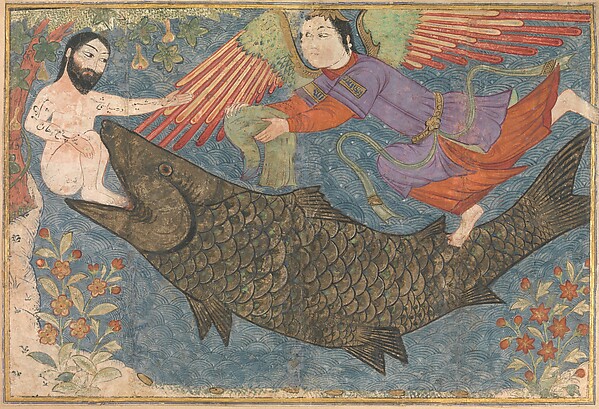
CC0
Jonah and the Whale
Unknown Persian artist, ca. 1400, Ink, opaque watercolor, and gold on paper
The manuscript image shows the reach of Jonah's story beyond Western art, where the prophet became a shared figure of warning and mercy.
Source: The Met Open Access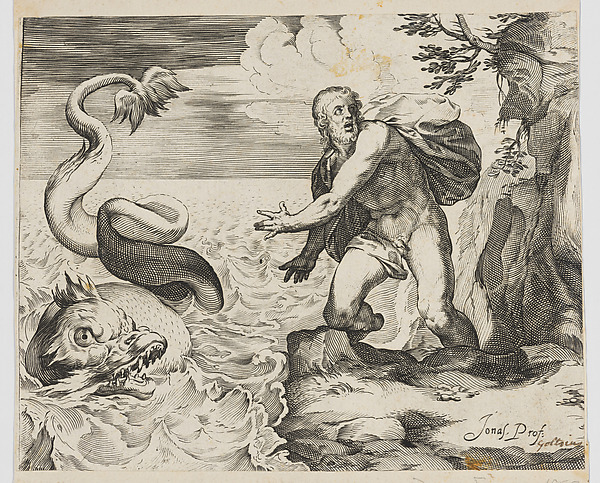
CC0
Jonah and the Whale
Luca Ciamberlano, 1600-40, Etching
Ciamberlano focuses the scene on the prophet's rescue, a traditional Christian image of death, repentance, and return.
Source: The Met Open AccessQuestions about Jonah in Art
Where is Jonah in the Bible?
Jonah has his own short prophetic book in the Old Testament.
Why is Jonah important in Christian art?
Jonah was often connected to death, deliverance, and the sign of resurrection because of the three days associated with the great fish.
Related biblical art
Get new Bible art and study updates
New biblical art pages, Scripture context, and reader upgrades connected to scenes like Jonah.
By joining, you agree to receive Vesper updates. Unsubscribe anytime.