John 20
Noli Me Tangere in Biblical Art
Noli me tangere scenes show Mary Magdalene meeting the risen Christ in the garden after the resurrection.
Bible and Art Context
John 20 moves from grief at the tomb to recognition when Jesus speaks Mary's name. Titian sets the moment in a landscape, balancing intimacy with the changed reality of the risen Christ.
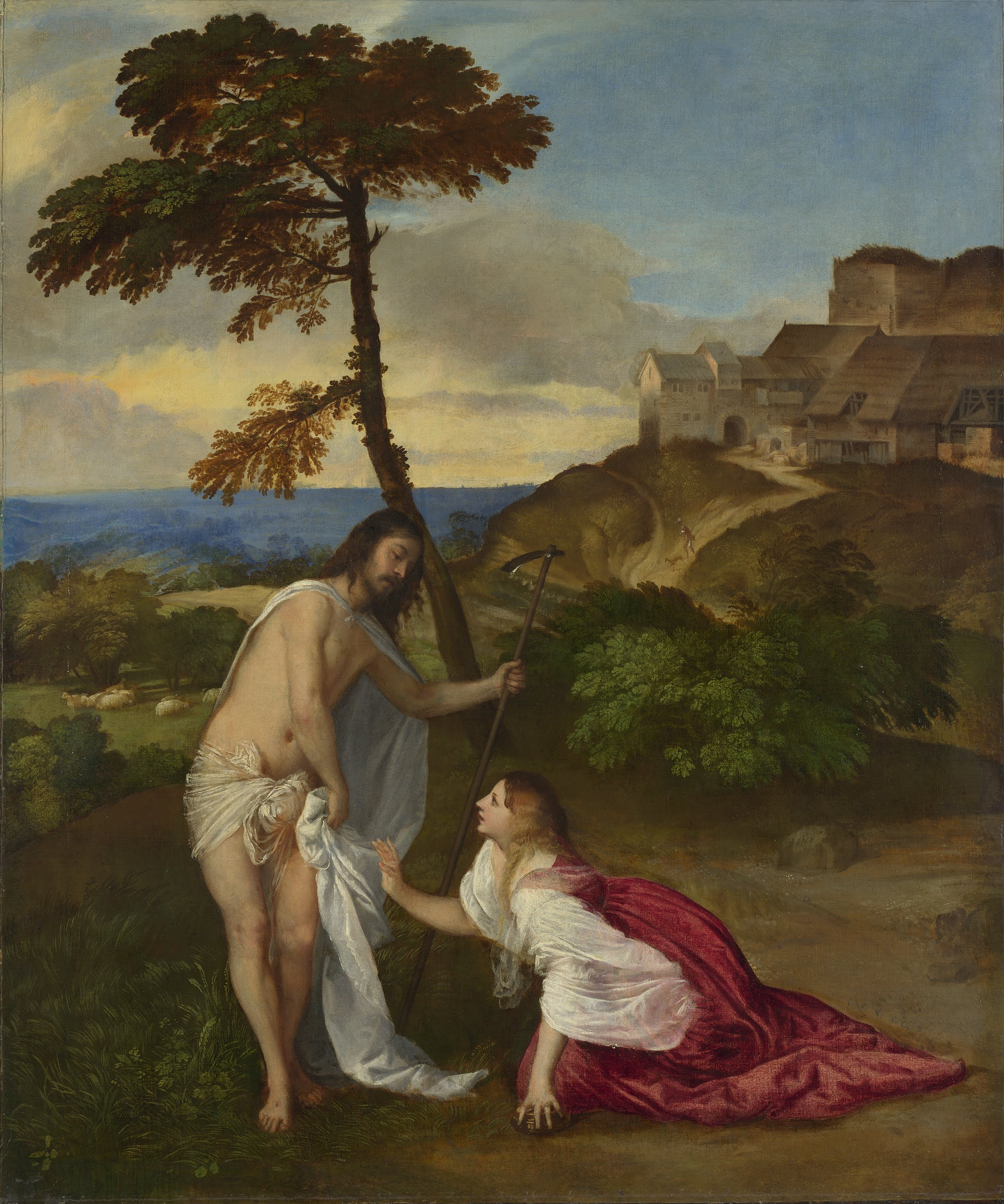
Public domain
Noli me Tangere
Titian, circa 1514, Oil on canvas
Titian makes recognition tender but restrained, showing Mary's devotion and Christ's risen otherness together.
Source: Wikimedia Commons / Google Art Project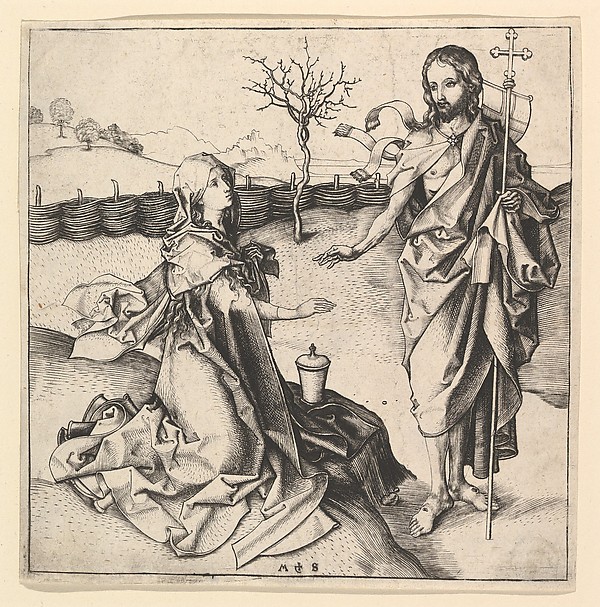
CC0
Noli Me Tangere
Martin Schongauer, ca. 1470-74, Engraving
Schongauer focuses the John 20 encounter on recognition and restraint, with Mary reaching toward the risen Christ in the garden.
Source: The Met Open Access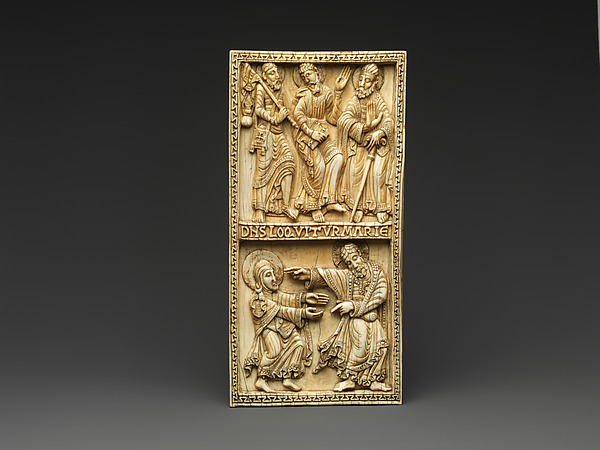
CC0
Plaque with the Journey to Emmaus and Noli Me Tangere
Unknown artist, ca. 1115-20, Elephant ivory with traces of gilding
The ivory plaque places resurrection recognition scenes side by side, linking Mary Magdalene's garden encounter with the Emmaus revelation.
Source: The Met Open AccessQuestions about Noli Me Tangere in Art
Where is Noli me tangere in the Bible?
The scene comes from John 20:11-18, when Mary Magdalene meets the risen Jesus.
What does Noli me tangere mean?
The Latin phrase is traditionally rendered "Do not touch me" or "Do not cling to me," from Jesus' words to Mary Magdalene.
Related biblical art
Get new Bible art and study updates
New biblical art pages, Scripture context, and reader upgrades connected to scenes like Noli Me Tangere.
By joining, you agree to receive Vesper updates. Unsubscribe anytime.